
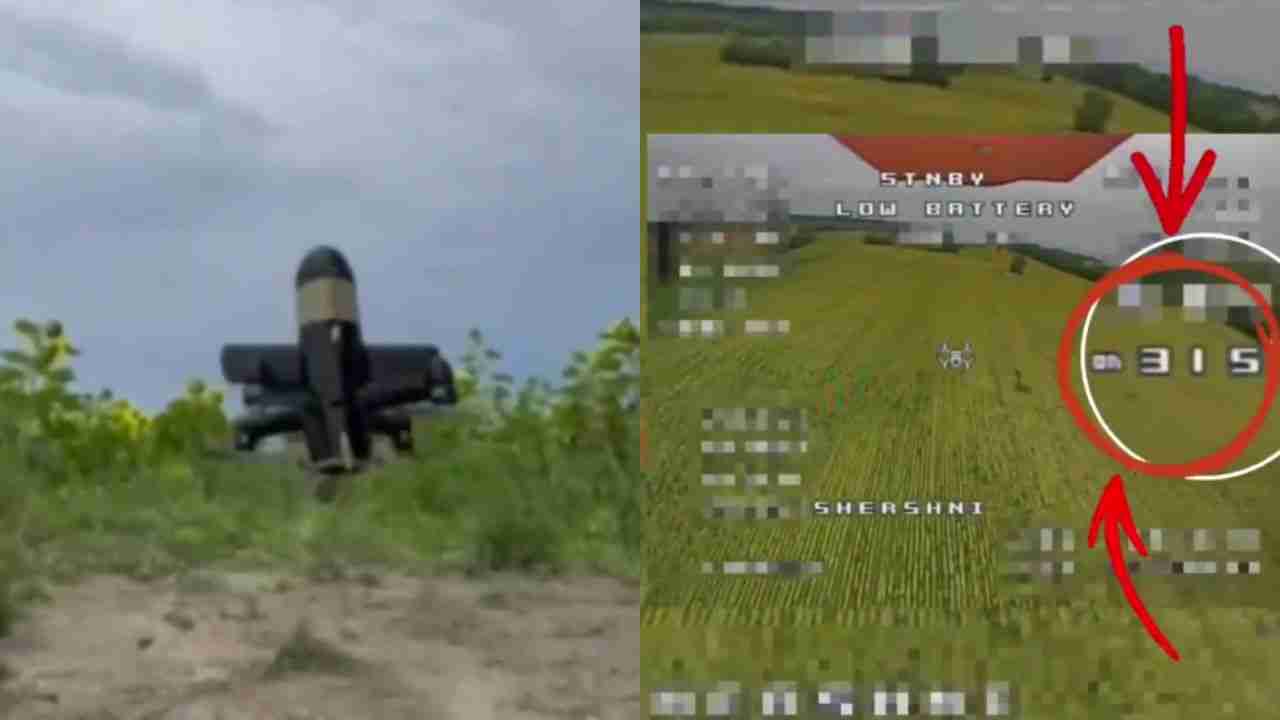
The Ukrainian startup Wild Hornets announced that its Sting interceptor drone reached 315 km/h in stable flight, a speed comparable to that of a high-speed train and considered one of the highest ever recorded for combat drone models.
The test, conducted over open fields and recorded on video, confirmed the performance via the speed indicator on the control interface. Initially designed to exceed 160 km/h, the Sting nearly doubled its target. Costing around \$2,500, the equipment is already used in combat, although the scale of its operation has not been disclosed.
The drone is being used to intercept Shahed-136 drones, an Iranian-origin model manufactured in Russia, capable of reaching up to 185 km/h. According to Wild Hornets, around 100 of these drones have already been shot down by Ukrainian pilots. The demand for interceptors has increased as Moscow intensified simultaneous attacks with multiple explosive drones and ballistic missiles, a strategy aimed at overwhelming Ukrainian defenses. In July, Russia launched more than 6,000 Shaheds in offensives, according to Al Jazeera.
With new Russian tactics allowing Shaheds to fly higher and faster, interceptor speed has become crucial. President Volodymyr Zelenskyy set a goal of producing a thousand units per day to strengthen the country’s protection. Meanwhile, Moscow is developing jet-powered versions capable of reaching up to 805 km/h.
In the nuclear field, Russia maintains the “Dead Hand” system, or “Perimetr,” designed to launch missiles automatically or manually if its leadership is eliminated, providing a final response to fatal attacks.
Source: Olhar Digital | Photo: X @wilendhornets | This content was created with the help of AI and reviewed by the editorial team
This is how new STING Shahed drone interceptors are born — now even faster and more powerful 😎🚀 pic.twitter.com/a6aoRsGik2
— Wild Hornets (@wilendhornets) August 11, 2025
